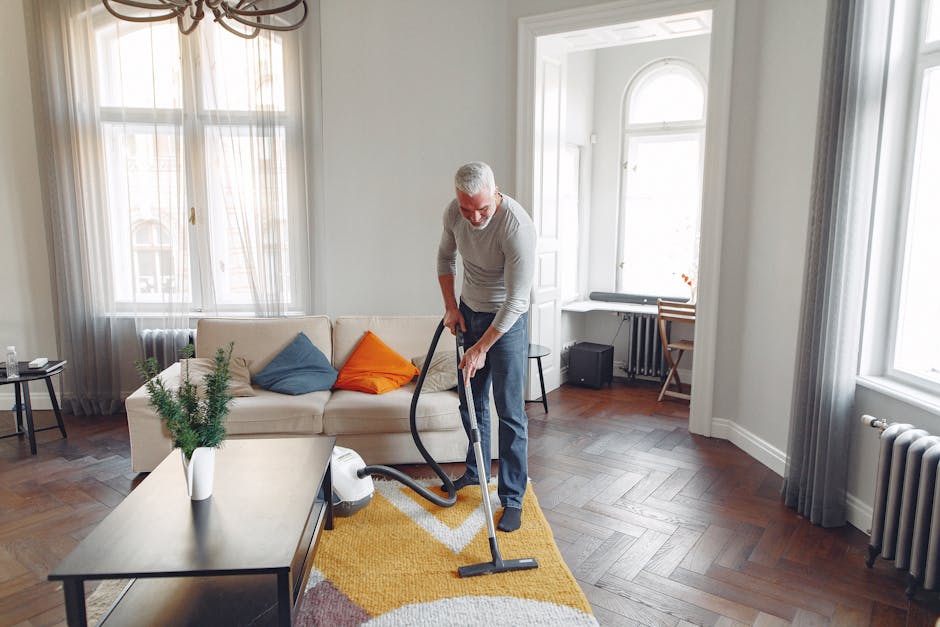
Carpet cleaning and rug care in Crayford High Street Ruxley
If you live, work, or run a busy premises around Crayford High Street Ruxley, you already know how quickly carpets and rugs can start looking tired. One wet day, a bit of foot traffic, a spill that seemed minor at the time - and suddenly the floor starts to tell its own story. This guide to Carpet cleaning and rug care in Crayford High Street Ruxley is here to make that easier to manage, whether you are looking after a single hallway runner, a family living room carpet, or a commercial space that has to stay presentable day after day.
We will look at what proper cleaning actually involves, how the process works, the mistakes that cause avoidable damage, and how to decide when a deep clean makes sense. Along the way, you will find practical tips, a comparison table, a checklist, and a few local realities that tend to matter more than people expect. Truth be told, the right care does not need to be complicated - but it does need to be thoughtful.
Why Carpet cleaning and rug care in Crayford High Street Ruxley Matters
Carpets and rugs do more than soften a room. They absorb daily wear, settle dust, catch grit from shoes, and take the brunt of life in a way hard flooring never will. In a high-traffic local setting, that matters even more. Crayford High Street has the kind of pace where entrances, stairs, and reception areas can accumulate soil fast. Once dirt works its way down into the pile, it starts rubbing fibres like sandpaper. Not dramatic, just true.
Good carpet cleaning is not only about appearance. It can also help reduce odours, improve indoor freshness, and slow the flattening that makes flooring look older than it is. Rugs deserve the same attention, and sometimes more. A wool rug, a delicate woven piece, or a synthetic mat all react differently to moisture, heat, and detergent. If you treat them as interchangeable, you can end up with bleeding dyes, shrinkage, or a stiff finish that never quite feels right again.
There is also a practical side. Regular care can help protect the value of a carpet or rug, especially where replacement would be costly or inconvenient. In homes, that means less stress about stains, pets, and muddy shoes. In business settings, it means a space that looks looked after. Small thing? Maybe. But first impressions are often built from small things.
For readers comparing service types, it helps to understand the broader picture too. Many households do not need carpets cleaned in isolation; upholstery, stairs, and nearby soft furnishings often hold the same dust and spill patterns. That is one reason related services such as upholstery cleaning and stain removal are often considered alongside floor care, not after the fact.
How Carpet cleaning and rug care in Crayford High Street Ruxley Works
Most effective carpet and rug cleaning starts with assessment. That sounds obvious, but it is where many rushed jobs go wrong. The cleaner needs to identify fibre type, pile construction, dye stability, stain history, and any previous treatments. A wool loop pile behaves differently from polypropylene. A hand-tied rug is not a machine-made mat. You do not handle them the same way, and you should not pretend otherwise.
From there, the process usually includes dry soil removal, spot treatment, deep cleaning, and controlled drying. The exact method depends on the material and condition. Hot water extraction is a common approach for many carpets because it can reach deep into the pile and lift embedded grime. Some rugs need lower-moisture or specialist handling, especially if the dyes are delicate or the backing is sensitive.
Steam cleaning is often discussed as a catch-all, but the phrase can be a bit misleading. In practice, what matters is controlled heat, moisture, agitation, and extraction. Done well, it can refresh flooring thoroughly. Done badly, it can over-wet a room and leave a damp smell nobody wants. That is why many people compare steam carpet cleaning with more targeted methods before deciding what suits their carpet best.
Rug care also includes aftercare. Drying flat or in a well-ventilated position, brushing the pile if appropriate, and keeping traffic off the area until it is fully dry all make a difference. Ever stepped onto a carpet that felt clean but then looked a bit dull again the next day? Often the issue is residue, poor rinsing, or drying that was rushed. Clean is one thing. Properly finished is another.
Key Benefits and Practical Advantages
The strongest benefit is straightforward: a cleaner, fresher-looking floor. But the real value runs deeper than that. When carpets and rugs are maintained properly, they tend to keep their texture, colour, and shape for longer. That can delay replacement, which is especially useful if the room is heavily used or the rug is a bit of a favourite. You know the one - the rug that has been in the same spot for years and somehow still anchors the whole room.
Here are the practical advantages people usually notice first:
- Reduced visible soiling in walkways, corners, and under furniture edges
- Improved scent and a fresher indoor feel
- Better appearance before guests, viewings, or client visits
- Less build-up of grit that wears down fibres over time
- More reliable stain response when spills are treated early
- A tidier look in rooms that otherwise feel dull or crowded
There is also a comfort factor. A well-cleaned carpet simply feels nicer underfoot. It softens the room a bit, especially in winter when doors are shut and people spend more time indoors. In a family home, that matters. In a small office, it matters too, because a cleaner environment tends to feel more organised and less stressful.
If you are looking at a whole-property refresh, it can be sensible to combine floor care with other soft furnishing services such as curtain cleaning or sofa cleaning. The room tends to feel more complete when all the fabric surfaces are addressed together, rather than only the most visible one.
Who This Is For and When It Makes Sense
Carpet cleaning and rug care in Crayford High Street Ruxley is useful for more people than you might think. Homeowners need it, of course, but landlords, tenants, shop owners, offices, and hospitality spaces often benefit just as much. Different spaces create different problems, though. A family with pets will be dealing with odour, hair, and occasional accidents. A retail unit may have seasonal grit, trolley marks, and patchy wear near the entrance. A rented flat might need a refresh before inspection or move-out. Same broad service, different story.
It usually makes sense to arrange a professional clean when:
- visible dirt no longer lifts with regular vacuuming
- a spill has soaked in and left a mark or smell
- traffic lanes look darker than the rest of the carpet
- a rug has lost softness or looks dusty even after shaking out
- you are preparing for visitors, photos, or a property handover
- there are pets, children, or frequent shoes-on traffic in the space
Commercial customers often need more regular maintenance. If your premises rely on a tidy presentation, commercial carpet cleaning can be part of planned upkeep rather than a one-off rescue mission. That is usually the calmer, cheaper way to do it, to be fair.
One small but useful rule: if you are unsure whether a rug can be wet cleaned safely, treat uncertainty as a signal to pause rather than guess. Rugs can be deceptively fragile. Better a careful inspection than a costly mistake.
Step-by-Step Guidance
If you want a sensible approach to cleaning carpets and rugs, start with the basics. Rushing straight into water, detergent, or a rental machine is how problems begin. A proper process is more like a sequence than a single action.
- Identify the fibre and construction. Wool, synthetic blends, cotton, silk, and mixed rugs all need different handling. If the label is missing, visual inspection still helps.
- Vacuum thoroughly. Dry soil removal is not glamorous, but it is essential. It prevents grit from turning into mud during cleaning.
- Test for colourfastness. A small, hidden test spot can reveal whether dyes are stable. This matters particularly for patterned or hand-dyed rugs.
- Pre-treat stains carefully. Use the right spotting approach for the stain type. Grease, wine, mud, pet accidents, and food spills all behave differently.
- Choose the correct method. Some carpets need extraction, some need lower moisture, and some rugs should be handled off-site or with specialist care.
- Clean with control. Even application, proper agitation, and careful rinsing matter more than brute force. More product is not automatically better. It rarely is, actually.
- Dry thoroughly. Ventilation, air movement, and sensible access restrictions reduce the risk of re-soiling and lingering dampness.
- Finish and inspect. Check pile lift, stain response, edges, and odour. Then decide whether any areas need a second pass.
If pet-related marks are involved, it is worth dealing with them properly rather than masking the smell. A surface may look fine while the odour remains trapped deeper in the fibres or underlay. For that kind of issue, pet stain odour removal can be a much better fit than standard spot cleaning.
Expert Tips for Better Results
A few habits make a bigger difference than most people expect. Here are the ones worth keeping in mind if you want your carpets and rugs to stay in decent shape between deep cleans.
- Vacuum slowly rather than quickly. A rushed pass skims the top. Slow passes pull more grit out of the pile.
- Deal with spills immediately, but gently. Blot first. Rubbing spreads the stain and can distort fibres.
- Use mats at entrances. This is simple, slightly boring advice, and yet it works.
- Rotate rugs where possible. It helps spread wear and sunlight exposure more evenly.
- Keep shoes off sensitive rugs. Especially on pale wool or delicate weaves. It saves a lot of grief.
- Watch for cleaning residue. Sticky residue attracts soil. Proper rinsing matters.
- Check drying conditions. A clean carpet that stays damp too long can start to smell. Fresh air helps a lot.
In our experience, the biggest difference often comes from the small details after the main clean: lifting furniture pads, keeping people off the carpet for a few hours, and making sure the room is ventilated properly. Not thrilling, but effective. A little patience goes a long way.
If you have a broader soft-furnishing refresh in mind, pairing floor care with rug cleaning can create a better overall result than treating each item at random. The room ends up feeling coherent rather than half-done.
Common Mistakes to Avoid
Most carpet and rug damage happens through overconfidence. People mean well. They really do. But a few familiar mistakes keep showing up.
- Using too much water. Over-wetting can damage backing, extend drying times, and cause odours.
- Scrubbing aggressively. This can fray fibres and spread stains further into the pile.
- Skipping the vacuum stage. If dry soil is still there, wet cleaning can turn it into paste.
- Using the wrong product. Bleach, strong alkaline cleaners, and random household sprays are risky on textiles.
- Ignoring fibre type. Wool and synthetics are not the same animal.
- Trying to dry with excessive heat. High heat can shrink, warp, or harden delicate materials.
- Leaving stains to "see if they fade." Often they do not. They set instead. A bit annoying, that.
For households with sofas, chairs, and beds in the same room as carpets, it is easy to clean one surface and forget the rest. But dust and odours move around the space. Sometimes the carpet is not the only issue. Services like mattress cleaning and sofa cleaning can help when the room still feels less fresh than it should, even after the floor looks clean.
Tools, Resources and Recommendations
You do not need a garage full of specialist kit to care for carpets and rugs properly, but you do need the right basics. The wrong tool used well is still the wrong tool. Simple as that.
Useful items include:
- a vacuum cleaner with decent suction and a clean filter
- white absorbent cloths for blotting spills
- a soft brush for lifting pile where appropriate
- clean, lukewarm water for cautious spot treatment
- genuine rug care products suited to the fibre type
- fan-assisted drying or strong natural ventilation
For commercial or multi-room properties, planning matters too. It can be useful to compare cleaning schedules, drying time, access needs, and the sensitivity of different areas before booking. If you need a broader quote for a mixed set of rooms or services, the pricing and quotes page is the sensible place to start, especially if you want to understand what affects cost before making a decision.
Trust also matters. People often ask whether a cleaner is insured, how safety is handled, and what happens if there is a problem on site. Those are fair questions. A reputable provider should be able to explain practical safety measures clearly, not hide behind jargon. The same goes for payment confidence and data handling. If you are sharing details online, it should feel straightforward and secure.
For customers who care about environmental impact, ask about cleaning chemistry, waste handling, and water use where relevant. Sustainable practice is not just a slogan when it is done properly. It shows up in how products are chosen and how carefully resources are used. There is a helpful overview on recycling and sustainability for readers who want that extra reassurance.
Law, Compliance, Standards, and Best Practice
Carpet and rug cleaning is not usually a heavily regulated consumer activity in the way some trades are, but that does not mean standards do not matter. Quite the opposite. Good practice is what keeps people safe and protects property. In the UK, that usually means careful use of cleaning chemicals, sensible handling of electrical equipment, clear communication with customers, and proper attention to health and safety on site.
For homes and businesses, best practice should include:
- clear explanation of the cleaning method before work starts
- care around slip risks during and after cleaning
- appropriate ventilation and drying guidance
- careful handling of delicate items and furniture
- respect for customer property and access arrangements
If you are comparing providers, it is reasonable to ask about insurance, safety procedures, and how complaints are handled if something goes wrong. Those are not awkward questions. They are normal. A professional company should welcome them. You can review the relevant details in the site's insurance and safety information, along with the health and safety policy and complaints procedure.
One more practical point: if you have a rug of special value, or an item with uncertain fibre content, do not assume standard cleaning is automatically safe. A careful assessment first is the right call. Always.
Options, Methods, or Comparison Table
Different carpets and rugs need different approaches. Here is a simple comparison to help you think through the options without getting lost in trade jargon.
| Method | Best for | Strengths | Watch-outs |
|---|---|---|---|
| Vacuuming and spot care | Routine upkeep, light soiling | Fast, inexpensive, prevents build-up | Won't remove deep grime or set stains |
| Hot water extraction | Many standard carpets | Deep cleaning, strong soil removal | Needs careful drying and correct fibre match |
| Low-moisture cleaning | Some commercial settings, quicker turnaround needs | Shorter drying time, convenient access | May be less suitable for heavy contamination |
| Specialist rug cleaning | Wool, delicate, handmade, or valuable rugs | More tailored handling, better protection for fibres | Requires proper assessment and care |
So, which is best? Honestly, it depends on the item, the stain, and how quickly the space needs to be back in use. If you are dealing with a family carpet that gets steady wear, one approach may suit. If you are looking after a patterned rug with dye sensitivity, another approach is safer. That is why a one-size-fits-all answer is rarely the right answer.
Case Study or Real-World Example
A typical local scenario goes something like this. A household near Crayford High Street notices that the hallway carpet has started to darken in the walking line and the living room rug has taken on a faint dull smell after a few rainy weeks. Nothing dramatic. Just that gradual, lived-in tiredness that sneaks up on you.
The first instinct is often to buy a spray and give it a quick scrub. Sometimes that helps for a tiny spot, but here the soil has gone deeper. The better approach is to vacuum thoroughly, identify the rug fibre, test a hidden area, and then choose a suitable cleaning method for each item. The hallway carpet may respond well to deeper extraction, while the rug may need gentler treatment and slower drying.
What usually happens next is interesting. The room feels lighter. Not just visually cleaner, but less stuffy. The carpet pile lifts a bit, the rug colours come back into focus, and the whole space stops feeling vaguely apologetic. That sounds dramatic for a floor, but anyone who has seen a tired carpet come back to life will know the feeling.
The key lesson is simple: treating every textile floorcovering the same is where people get caught out. The right process depends on the item in front of you, not on a generic promise. That is especially true if you are also managing curtains, furniture, and nearby surfaces in one go. If you are doing a wider refresh, it may be worth considering carpet cleaning as part of the overall plan rather than as a standalone fix.
Practical Checklist
Use this before, during, or after a clean to keep things on track.
- Identify the carpet or rug fibre type if possible
- Vacuum slowly and thoroughly before any wet treatment
- Check for colour transfer in a hidden area
- Match the cleaning method to the item, not the other way round
- Remove or protect nearby furniture where needed
- Blot spills instead of rubbing them in
- Allow proper drying time with ventilation
- Keep foot traffic off the area until fully dry
- Inspect the result in daylight if you can
- Plan maintenance before dirt becomes embedded again
Quick expert summary: the cleanest-looking result is not always the best result if the fibres have been over-wet, over-scrubbed, or left with residue. The best carpet and rug care is usually the quiet, careful kind. It takes a bit more thought, but it pays you back.
Get a free quote today and see how much you can save.
Conclusion
Carpet cleaning and rug care in Crayford High Street Ruxley is really about preserving comfort, appearance, and practicality in places that get used every day. A good clean lifts more than dirt. It lifts the feel of a room. And if you have ever walked into a freshly cleaned space on a grey afternoon, you will know exactly what that means. It just feels better.
The best results come from careful assessment, the right method for the material, and sensible aftercare. That applies whether you are maintaining a home hallway, refreshing a treasured rug, or keeping a workplace presentable. If in doubt, choose the path that protects the fibres first. The shine can come later.
A little attention now saves a lot of frustration later, and that is probably the nicest kind of maintenance there is.
Frequently Asked Questions
How often should carpets be professionally cleaned in a busy home?
It depends on traffic, pets, children, and how quickly soil builds up. Many busy homes benefit from regular deep cleaning before the carpet reaches the point where the pile looks flattened or dull.
What is the best way to clean a rug without damaging it?
The safest approach is to identify the fibre, test for colourfastness, and use a method suited to the rug's construction. Delicate or valuable rugs often need gentler treatment than standard carpets.
Is steam cleaning always suitable for carpets?
No. Steam-style cleaning can work well for many carpets, but not every fibre or backing can handle the same level of moisture and heat. Assessment matters more than the label.
Can pet odours be removed completely?
Sometimes yes, sometimes not entirely on the first pass. It depends on how deeply the contamination has gone into the fibres or underlay. Prompt treatment gives the best chance of success.
Why does my carpet look dirty again after cleaning?
That can happen when residue is left behind, the carpet is dried too slowly, or hidden soil resurfaces as fibres dry. Proper rinsing and drying reduce that risk.
Should I clean my rug and sofa at the same time?
If both are showing dust, odour, or visible wear, it can make sense to treat them together. A room often looks and feels better when the soft furnishings are refreshed as a group.
How long does a carpet usually take to dry?
Drying time varies with fibre type, cleaning method, ventilation, and room temperature. A well-controlled clean should not leave the carpet wet for an excessive period, but timing can differ from job to job.
Are all stains removable?
No honest cleaner should promise that. Some stains react well to treatment, while others are permanently altered by heat, dye transfer, bleach, or age. The sooner you treat a spill, the better the odds.
What should I ask before booking a cleaner?
Ask about fibre handling, stain treatment, drying expectations, insurance, and what happens if the job reveals a problem that needs extra care. Those questions are sensible, not fussy.
Is commercial carpet care different from home carpet care?
Yes, mainly in traffic levels, timing, and presentation pressure. Businesses often need quicker turnaround and a plan that fits opening hours or customer access.
What should I do before the cleaner arrives?
Clear smaller items, mention any known stains or problem areas, and make sure access is easy. If the cleaner can see the full surface and understand the history, the result is usually better.
Where can I find more information about service details and payment?
For service information, the relevant pages on the site cover practical topics such as about us, payment and security, and contact us. They are useful if you want the finer details before making a decision.
If you are ready to bring tired carpets or rugs back into better shape, the next step is simply to ask for a quote and compare your options calmly. No rush, no pressure - just a cleaner, fresher result and a bit more peace of mind.