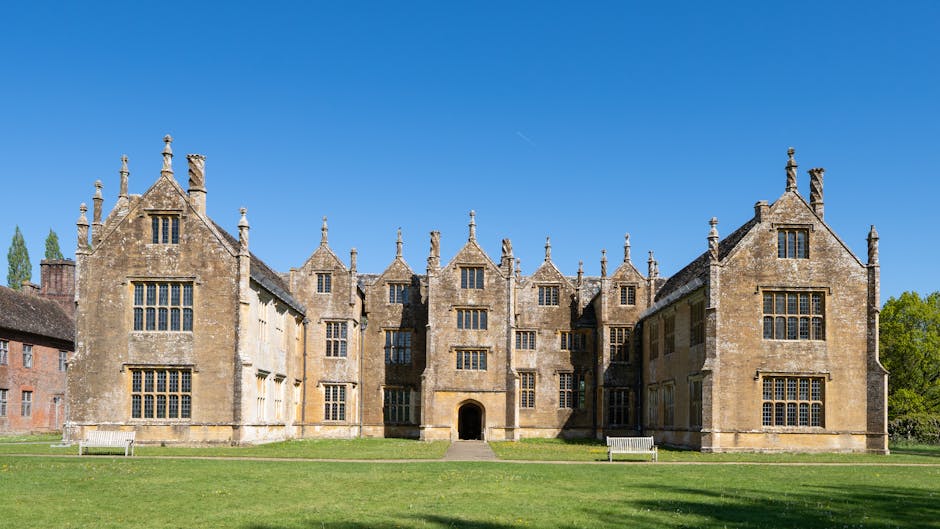
Ruxley Manor Upholstery Cleaning for Historic Homes: Gentle Care for Period Interiors That Still Need Real Life
Historic homes have a charm you can feel the second you step inside. The creak of an old floorboard, the depth of a worn armchair, the faded pattern on a settee that has clearly seen decades of family life - all of it matters. But upholstery in these homes also carries a hidden job: it has to look elegant while surviving dust, daylight, pets, visitors, and the occasional tea spill. That is where Ruxley Manor upholstery cleaning for historic homes comes in. It is not just about making fabric look brighter. It is about cleaning carefully enough to protect age, value, and character.
This guide walks through how a thoughtful upholstery cleaning approach works in a historic setting, what to watch for, what methods tend to suit older interiors, and how to decide whether professional cleaning is the right next step. If you are caring for a period property, a listed-style interior, or simply a home with older furniture that feels too precious to risk, you are in the right place.
Table of Contents
- Why Ruxley Manor upholstery cleaning for historic homes Matters
- How Ruxley Manor upholstery cleaning for historic homes Works
- Key Benefits and Practical Advantages
- Who This Is For and When It Makes Sense
- Step-by-Step Guidance
- Expert Tips for Better Results
- Common Mistakes to Avoid
- Tools, Resources and Recommendations
- Law, Compliance, Standards, or Best Practice
- Options, Methods, or Comparison Table
- Case Study or Real-World Example
- Practical Checklist
- Conclusion
- Frequently Asked Questions
Why Ruxley Manor upholstery cleaning for historic homes Matters
Historic homes are different. Not dramatically different in every room, but different enough that ordinary cleaning shortcuts can go wrong very quickly. Older upholstery may have horsehair stuffing, mixed natural fibres, delicate trims, faded dye, or a repaired frame that is strong enough for daily use but still sensitive to excess moisture. Even newer upholstery placed inside a historic property can be affected by dry air, soot, dust, and the slower build-up of grime that older buildings tend to develop.
That matters because upholstery is often one of the most visible parts of a room. In a period sitting room, sofa arms and chair backs draw the eye immediately. A dull patch, water mark, or over-wet clean can stand out more than a carpet stain ever would. Truth be told, historic interiors are rarely ruined by one big disaster. They are usually worn down by a series of small, avoidable mistakes. The wrong product. Too much water. Too much friction. Too much confidence, maybe.
Careful upholstery cleaning helps protect the fabric and the atmosphere of the room at the same time. It removes embedded dust and everyday soil without stripping away the visual softness that makes period furniture feel lived in rather than sterile. And if the home has original details, antiques, or sentimental pieces, caution is not an optional extra. It is the whole point.
For homeowners comparing services, it also helps to choose a company that explains its process clearly and behaves like it understands risk. Pages such as about the team and their approach, insurance and safety information, and health and safety guidance can be useful signs that the work is being handled with proper care.
How Ruxley Manor upholstery cleaning for historic homes Works
At a practical level, upholstery cleaning for historic homes usually starts with a very unglamorous step: inspection. That is where the cleaning approach is chosen, not guessed. A good cleaner looks at the fabric type, colour stability, construction, seams, trims, cushions, and any signs of past repairs. On older furniture, this stage matters more than the actual cleaning. If the assessment is wrong, everything else gets messy fast.
The process often includes:
- Dry soil removal to lift dust, grit, pet hair, and loose debris before moisture is introduced.
- Testing for colourfastness in a discreet area, because older dyes can behave unpredictably.
- Choosing the right method for the fabric, such as low-moisture cleaning, careful extraction, or targeted stain treatment.
- Controlled product use so residues do not attract dirt or leave a sticky finish.
- Slow drying and ventilation to reduce the risk of odour, browning, or mildew.
In historic homes, the phrase "deep clean" can be a bit misleading. Deeper is not always better. Sometimes the safest clean is the least aggressive one that still achieves the result. A velvet chair in a formal room might need a completely different treatment from a hard-wearing family sofa in the same house. That is normal.
For broader furniture care, it can also help to look at related services such as upholstery cleaning, sofa cleaning, and stain removal. If curtains or rugs are part of the same room scheme, coordinating the cleaning order can make the whole interior feel balanced rather than patchy.
Key Benefits and Practical Advantages
The benefits of upholstery cleaning in a historic property are partly visible and partly invisible. The visible part is obvious enough: cleaner fabric, brighter colour, less dust, and a room that feels more cared for. The invisible part is arguably more important. Less abrasive cleaning means less wear over time. Less trapped grime means fibres stay softer. Better treatment of stains means fewer permanent marks competing with the original character of the piece.
Here are the main practical advantages:
- Preservation of fabric life - careful cleaning helps delay unnecessary deterioration.
- Improved appearance without over-restoring - the aim is freshness, not making an antique look brand new.
- Reduced dust load - useful in older properties where dust can settle quickly on soft furnishings.
- Better comfort - upholstery feels more pleasant to sit on once embedded soil is removed.
- Odour control - useful where older rooms, pets, smoke residue, or damp air have left a lingering smell.
- More confident entertaining - if you host guests, clean seating just changes the whole mood of a room. Quietly, but noticeably.
One thing people often overlook is how cleaning can support the interior as a whole. A beautifully maintained sofa can make a room feel finished even if the decorating is modest. Likewise, a tired armchair can throw off the entire space. Funny how one chair can do that, but it does.
If the property includes delicate window dressings or matching fabrics, you may also want to review curtain cleaning. Upholstery and curtains often age together, gather dust together, and benefit from a coordinated plan.
Who This Is For and When It Makes Sense
This service makes sense for anyone trying to keep older or period-style interiors looking dignified without taking unnecessary risks. It is especially relevant if your home has heirloom furniture, inherited pieces, or upholstery with visible age that you want to preserve rather than replace.
You may be the right fit if you:
- own a historic or character property with original or older soft furnishings
- have antique chairs, nursing chairs, chaise longues, or formal sofas that need delicate handling
- notice dust build-up, dullness, or uneven wear on fabrics
- are preparing a room for guests, seasonal use, or a family event
- need help with a stubborn mark but do not want harsh treatment
- want to reduce odours without saturating older materials
It also makes sense when a piece is valuable in family terms, even if it is not museum-grade. Some furniture is worth cleaning simply because it has been in the family for years. That is a valid reason. Maybe the chair was in your grandmother's sitting room, maybe not. Either way, the emotional value can be as important as the fabric itself.
For commercial heritage settings, reception areas, guest houses, or formal offices in period buildings, the same principles apply. If that is your situation, it may be worth comparing this with commercial carpet cleaning and other soft-furnishing services, especially where client-facing spaces need to look polished every day.
Step-by-Step Guidance
If you are deciding how to approach upholstery cleaning in a historic home, it helps to think in stages. Rushing straight to a wet clean because the fabric looks dirty is where people get into trouble. A calm sequence usually gives better results and fewer regrets.
- Identify the fabric and age of the piece. Check labels where present, but do not rely on them blindly. Older furniture may have been re-covered or repaired.
- Look for weak points. Frayed seams, loosened buttons, sun-faded areas, and cracked piping all need a lighter touch.
- Test for sensitivity. Even a small, hidden area can reveal whether a fabric bleeds, darkens, or reacts to moisture.
- Remove dry soil first. Gentle vacuuming with the right attachment is often the best first move. No drama, just patience.
- Treat spots carefully. Target specific stains rather than soaking the whole piece.
- Use the least aggressive safe method. That might be low-moisture cleaning, hand application, or controlled extraction.
- Dry properly. Good airflow matters. If a room feels chilly and damp, drying takes longer and risk goes up.
- Inspect after cleaning. Check for tide marks, texture changes, or any leftover smell once the fabric is fully dry.
A small but important note: if the sofa or chair has historical significance, do not assume every mark should be removed at any cost. Sometimes a tiny bit of patina is part of the piece's life. The goal is clean and respected, not erased.
For more detail on how stain work is handled, pet stain and odour removal can be useful if pets are part of the household. Historic homes and pets do not always make the neatest pair, let's face it.
Expert Tips for Better Results
To get the best outcome from upholstery cleaning in a historic home, a few practical habits make a real difference. None of these are glamorous. They are just the sort of things that save money and avoid awkward surprises later on.
- Vacuum regularly, not aggressively. Dust builds up slowly in old properties and loves to settle into seams and piping.
- Rotate cushions if possible. Even wear is easier to manage than one badly flattened side.
- Deal with spills quickly. Blot, do not rub. Rubbing can push liquid deeper and rough up the pile.
- Keep an eye on sunlight. Old fabrics often fade unevenly near windows.
- Use humidity control sensibly. Historic homes can be tricky, especially in winter when doors and windows stay shut.
- Ask for a method explanation. If someone cannot explain why a certain process suits your fabric, that is a warning sign.
Expert summary: In a historic home, the best upholstery clean is usually the one that protects the fabric first and improves appearance second. Those two goals should work together, not compete.
A practical little trick: photograph upholstery before cleaning, especially if the piece already has wear or colour variation. That way you can compare like with like afterwards. It sounds almost too simple, but it saves a lot of head-scratching.
Common Mistakes to Avoid
Most upholstery damage in older homes comes from good intentions paired with the wrong technique. Here are the mistakes that show up most often.
- Using too much water. Wet cleaning is not automatically better. On delicate fabric, it can cause shrinkage, rings, or distortion.
- Skipping a test patch. This is the classic "it'll be fine" moment. Sometimes it is not fine.
- Scrubbing stains hard. That can spread the mark, damage the pile, and make the area look flat or shiny.
- Using household products at random. If you mix cleaners or use something too strong, the residue can linger and attract more dirt.
- Cleaning without checking construction. Loose stitching, fragile webbing, and old repairs need careful handling.
- Forgetting drying time. A piece that feels dry on the surface may still be damp inside.
Another mistake is treating every chair like a synthetic dining chair from a modern showroom. Historic furniture is simply not built that way. It may look robust. It may even sound robust when you sit down. But older materials can still be surprisingly sensitive. A bit stubborn, even.
If you are comparing care options, it can help to read the company's practical policies too, especially terms and conditions and complaints procedure. Not because you expect a problem, but because transparent processes usually go hand in hand with careful work.
Tools, Resources and Recommendations
You do not need a workshop full of specialist gear to care for upholstery properly, but the right tools help. The best approach is usually simple, targeted, and low risk.
| Tool or Resource | What it helps with | Why it matters for historic homes |
|---|---|---|
| Soft upholstery attachment | Gentle vacuuming | Reduces abrasion on older fabrics and trims |
| Clean white cloths | Blotting spills and spot work | Helps you see transfer without adding dye |
| Testing solution | Colourfastness checks | Essential before any moisture or chemical treatment |
| Low-moisture cleaning equipment | Controlled fabric refresh | Reduces over-wetting risk |
| Good ventilation | Drying | Helps prevent odours, browning, and lingering dampness |
On the service side, it is sensible to choose providers who are open about safety, payment, and service expectations. Useful pages to review include pricing and quotes, payment and security, and contact details if you want to ask specific questions before booking. There is also value in reading about recycling and sustainability if eco-friendly disposal and responsible cleaning matter to you.
One more practical recommendation: if you have a whole room of heritage soft furnishings, ask whether the cleaner can sequence the work sensibly. Sometimes upholstery, carpet, and rugs should be handled together so the room dries evenly and the result feels coherent. That is especially useful when you also need rug cleaning or carpet cleaning in the same space.
Law, Compliance, Standards, or Best Practice
For historic homes, the main compliance issue is not usually a single special law about upholstery cleaning. It is more about sensible duty of care, safe working practices, and respecting the building and its contents. If the property is listed, leased, managed, or part of a heritage setting, there may be additional responsibilities around maintenance and alteration. In plain English: do not assume standard domestic cleaning choices are always harmless.
Good practice usually means:
- carrying out a proper risk assessment before work begins
- using suitable products for the fabric and surroundings
- protecting floors, walls, and adjacent furnishings during cleaning
- ensuring equipment is used safely indoors
- keeping records of special instructions for fragile pieces
It is also sensible to check whether the cleaner carries suitable insurance and works with clear safety procedures. For a homeowner, that is less about bureaucracy and more about peace of mind. If something unexpected happens, you want to know there is a professional framework behind the service. No one wants to discover that after the fact, obviously.
Where water, electricity, or transport of equipment is involved, responsible handling matters. That is why clear references to health and safety policy and insurance and safety are worth checking before you book. If accessibility or communication needs matter to your household, a good company should also have clear information available on its accessibility statement.
Options, Methods, or Comparison Table
Different upholstery-cleaning methods suit different fabrics and different levels of fragility. There is no single winner. The trick is matching the method to the piece, not forcing the piece to fit the method.
| Method | Best for | Pros | Watch-outs |
|---|---|---|---|
| Dry vacuum and maintenance cleaning | Routine upkeep, low-soil pieces, delicate fabrics | Very gentle, low risk, good for dust control | Will not remove deep stains on its own |
| Low-moisture upholstery cleaning | Many historic-home pieces, mixed-use seating | Balances cleaning power with reduced wetting | Still needs testing and careful drying |
| Targeted stain treatment | Isolated marks, spill spots, pet accidents | Focuses on problem areas without over-treating the whole item | Wrong chemistry can set the stain |
| Full extraction cleaning | Hard-wearing, compatible upholstery with heavier soil | Can be effective for deeper dirt removal | Too much moisture may not suit older or delicate fabric |
If you are uncertain, ask for the reasoning behind the method rather than the name of the method itself. That is where expertise usually shows. A confident professional should be able to say why one approach is safer for a 1920s armchair than for a modern lounge sofa. Simple as that.
Case Study or Real-World Example
Here is a realistic example, without dressing it up as anything heroic. A homeowner in a period property has a pair of older armchairs in a front sitting room. The fabric is faded in places, the arms feel slightly greasy, and one chair has a small tea mark from an afternoon visit that never quite got dealt with. The owner is nervous because the chairs are comfortable, original to the house, and not easily replaced.
Rather than treating both chairs in the same way, the cleaner inspects them separately. One has a slightly looser weave and more wear on the left arm, while the other is in better condition but holds dust deep in the seams. A test patch shows that a wet approach would be too risky for the first chair. So the cleaner uses a lighter, low-moisture method, spends extra time on the arms, and treats the tea mark locally. The second chair takes a bit more cleaning, but still not a full soak.
What changes afterwards? The room looks calmer. The chairs do not look new - and that is the point - but they look respected. The fabric colour reads more evenly. The stale little dust smell disappears. And the homeowner feels relieved rather than anxious, which is worth a lot in a house with history in its walls.
This is the kind of result historic-home owners usually want: not perfection, but sensible improvement without collateral damage.
Practical Checklist
Before booking or carrying out upholstery cleaning in a historic home, use this checklist. It is simple, but it catches a surprising number of problems.
- Identify the age and likely fabric type of the piece
- Check for wear, tears, loose seams, or weakened buttons
- Look for old repairs or reupholstery work
- Test a hidden area for colour reaction
- Confirm the cleaning method is suitable for delicate or antique materials
- Ask how drying will be managed
- Move nearby valuables or fragile ornaments out of the working area
- Decide whether related items, such as rugs or curtains, should be cleaned too
- Ask about insurance, safety, and aftercare guidance
- Keep a note or photo record of the item's condition before work begins
Quick takeaway: if a cleaner is happy to explain the fabric, method, drying time, and risk factors in plain English, that is usually a good sign. If they get vague, pause. A bit of caution now is cheaper than repair later.
Get in touch only when you feel ready, but do not wait so long that the piece becomes harder to restore. A careful conversation at the right time can save a favourite chair, and sometimes a whole room's character with it.
Get a free quote today and see how much you can save.
Conclusion
Ruxley Manor upholstery cleaning for historic homes is really about balance. You want fabric that looks cared for, but you also want to protect age, craftsmanship, and the quiet personality of the room. That means choosing the right method, using restraint, and respecting that older furniture has limits. Some pieces need gentle dust removal. Some need targeted stain work. A few need very little at all, just patient maintenance and the right hands.
When done properly, upholstery cleaning becomes part of preservation rather than a separate chore. It keeps rooms welcoming, softens the effect of everyday living, and helps historic interiors stay usable instead of becoming too precious to enjoy. And honestly, that is the sweet spot. Homes are meant to be lived in, even the beautiful old ones.
So if you are weighing up what to do next, start with inspection, ask good questions, and choose care over speed. The fabric will thank you for it, quietly, in its own way.
Frequently Asked Questions
Is upholstery cleaning safe for antique furniture?
It can be, but only if the method matches the fabric, construction, and condition of the piece. Antique furniture often needs a lighter, more controlled approach than modern upholstery.
How do I know if my historic-home sofa needs professional cleaning?
If the fabric looks dull, smells stale, has visible staining, or has not been cleaned for years, a professional assessment is usually sensible. A cleaner can judge whether the piece needs low-moisture treatment or something even gentler.
Will cleaning damage old fabric dyes?
It can if the dye is unstable and the wrong products are used. That is why a test patch matters so much. Older dyes are not always predictable, and a cautious professional will treat them that way.
What is the best cleaning method for delicate upholstery in a period home?
There is no single best method for every fabric. Many delicate items do well with careful vacuuming, spot treatment, or low-moisture cleaning, but the right choice depends on the item itself.
How often should upholstery in a historic home be cleaned?
That depends on use, dust levels, pets, sunlight, and the fabric type. Regular light maintenance is usually better than waiting for a major deep clean. In older homes, prevention really does pay off.
Can upholstery cleaning remove old stains completely?
Sometimes yes, sometimes not. Old stains may have set into the fibres, and aggressive treatment can cause more harm than the stain itself. A good cleaner should be honest about likely results.
Should I clean curtains and rugs at the same time?
If they are in the same room and all look dusty or tired, coordinating the work can make the whole space feel more balanced. It is not always necessary, but it often makes practical sense.
What should I ask before booking upholstery cleaning for a historic home?
Ask about fabric testing, drying time, insurance, products used, and how they handle fragile or valuable items. Those questions tell you a lot about the cleaner's experience and caution level.
Does upholstery cleaning help with odours in older homes?
Yes, often it does. Upholstery can hold on to dust, pet odours, cooking smells, and general mustiness. Proper cleaning can make a room feel fresher without masking the problem.
What if my upholstery has already been damaged by a previous clean?
Do not try to "fix" it quickly with more product or more water. Have it assessed first. Sometimes the safest next step is gentle stabilisation, not another round of cleaning.
How do I choose between cleaning and reupholstering?
If the frame and fabric are still sound, cleaning may be enough. If the fabric is badly worn, splitting, or beyond sensible recovery, reupholstery might be better. The decision usually comes down to condition, value, and how the piece is used.
Why is upholstery care so important in historic homes?
Because the furniture is part of the home's character. Cleaning carefully helps preserve both the look and the life of the piece, which is exactly what you want in a property with history.